
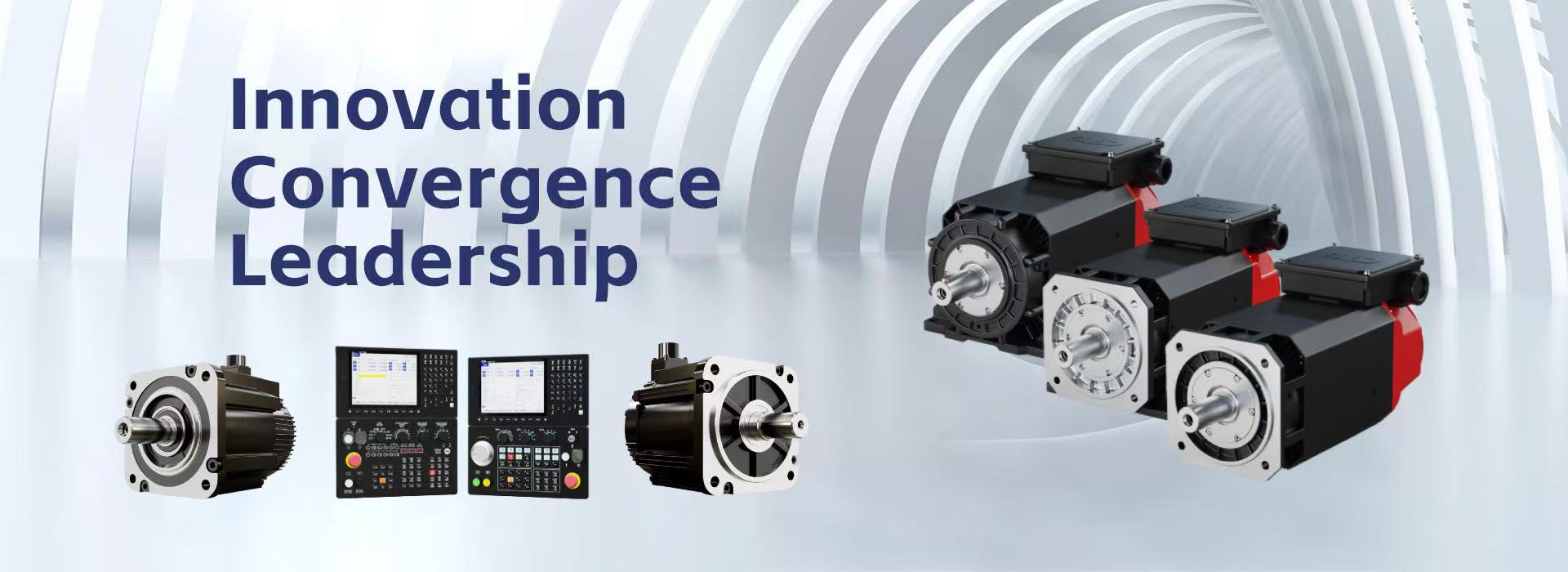
Operators engaged in the processing of timber, aluminum plastic, metals and composite materials have likely encountered these frustrating headaches: newly purchased motor spindles suffer inconsistent precision that sends product yield rates plummeting; frequent spindle breakdowns trigger unplanned downtime and repeated delays to order delivery; costly imported spindles break down with no reliable after-sales support available, resulting in massive production losses. Picking the wrong motor spindle costs businesses precious time, manpower and money. Today we break down all essential know-how for proper motor spindle selection.
When choosing a motor spindle, higher price never equals better performance; matching your actual processing requirements stands as the top priority.
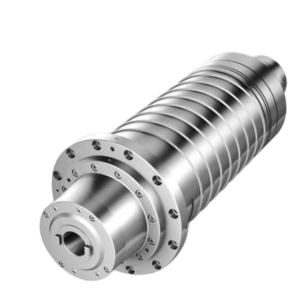
First and foremost, prioritize consistent performance. Sustained precision and torque are fundamental to stable product quality. Whether carrying out fine sanding for timber cutting or heavy-duty milling on metal workpieces, steady spindle performance eliminates costly rework.
Second, check durability. A spindle with a service life of seven to eight years cuts down not only equipment replacement expenses but also valuable production downtime. Third, focus on machining accuracy. High-precision spindles deliver superior finished product quality, helping manufacturers retain long-term customers reliably.
Last but not least, examine after-sales service. In the event of sudden spindle failure, a responsive and expert maintenance team serves as critical backup to keep production running uninterrupted.
Stop letting substandard spindles hold back your production! Master these core selection criteria and partner with reputable brands and service providers to sustain smooth factory output and grow your order volume steadily.