
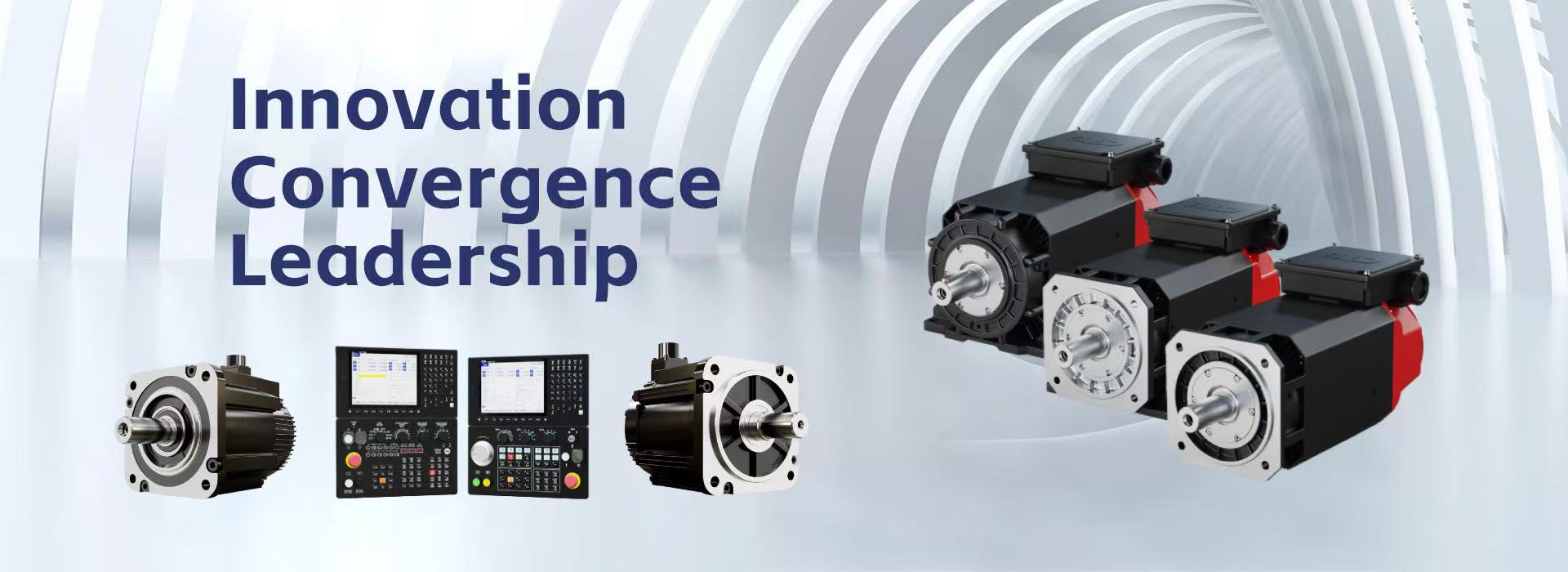
Permanent Magnet Motors Are Not Necessarily Better Than Ordinary Motors
Permanent magnet motors and ordinary motors each have unique advantages and disadvantages, making them suitable for different application scenarios. The choice between them depends on a comprehensive evaluation of efficiency, cost, performance, environmental adaptability, and other factors.
In short, permanent magnet motors generally outperform ordinary motors (usually induction motors) in efficiency and performance, while ordinary motors hold greater advantages in cost and durability.
Core Differences
For a clearer understanding of their distinctions, refer to the summary below:
Advantages of Permanent Magnet Motors
Permanent magnet motors are widely favored in new energy vehicles, wind power generation, high-end servo systems and other fields mainly due to the following features:
High Efficiency and Energy Saving: The rotor uses permanent magnets to generate a magnetic field without additional excitation current, fundamentally reducing energy loss. This allows the motor to maintain high efficiency across its entire operating range, delivering remarkable energy-saving effects.
Small Size and Light Weight: The strong permanent magnetic field enables the motor to output the same power with a smaller volume and lighter weight, which is critical for applications with limited space and weight constraints (e.g., electric vehicles, aerospace).
Excellent Control Performance: Permanent magnet motors feature large starting torque, a wide speed regulation range, fast response, and high-precision speed and position control, making them ideal for applications demanding high dynamic performance.
Advantages of Ordinary Motors
Although less efficient than permanent magnet motors, ordinary motors still dominate industrial, agricultural, construction and other sectors thanks to mature technology and inherent characteristics:
Low Cost: With a simple structure, readily available materials, and mature manufacturing processes, their initial purchase cost is much lower than permanent magnet motors, making them highly competitive in large-scale, cost-sensitive applications.
Sturdiness and Durability: The robust structure contains no permanent magnets, so there is no risk of demagnetization. They adapt better to harsh environments such as high temperatures and vibration, ensuring highly reliable operation.
Easy Maintenance: Squirrel-cage induction motors, in particular, have an extremely simple structure with almost no wearable parts, resulting in very low maintenance requirements.
Conclusion
There is no absolute “good” or “bad”—only “suitable” or “unsuitable”.
If you prioritize high efficiency, high performance, compact size, and precise control with sufficient budget, permanent magnet motors are the better choice.
For cost-sensitive applications, harsh operating environments, or scenarios with low requirements for efficiency and performance, ordinary motors with mature technology and rugged durability are more advantageous.