
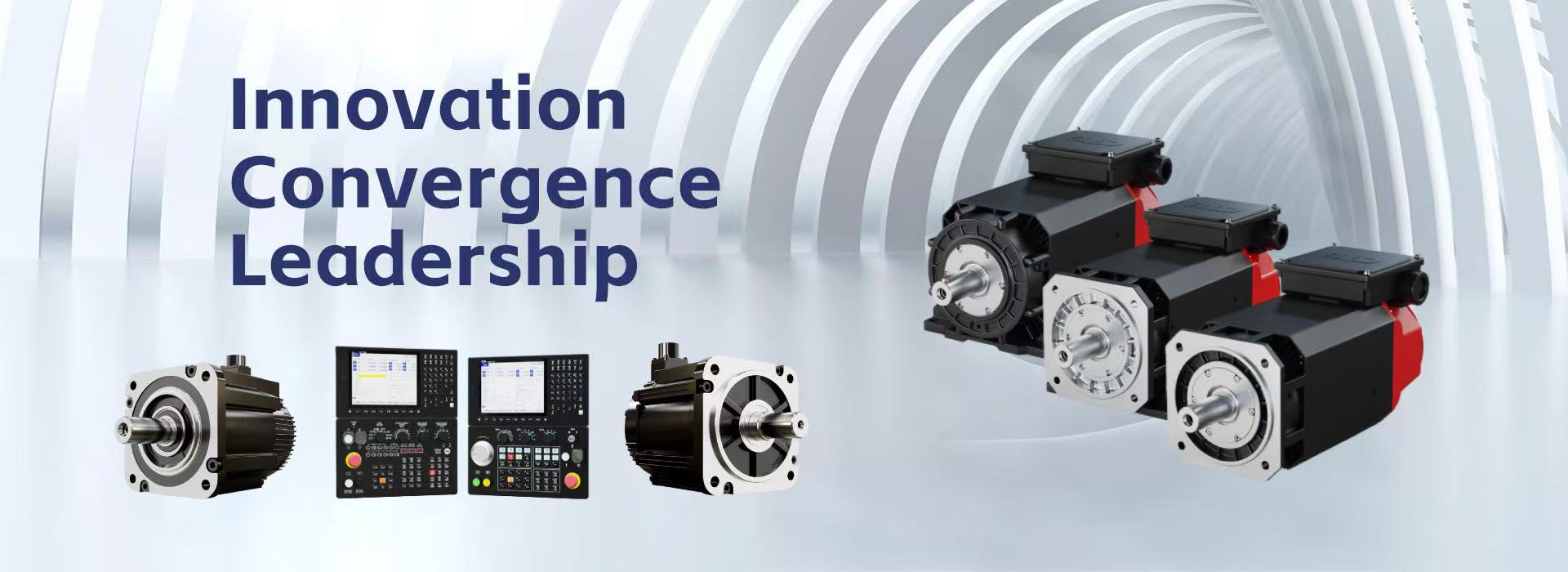
Servo motor is a high-precision, high-response motor widely used in various automated equipment and mechanical systems.
Application Fields of Servo Motors
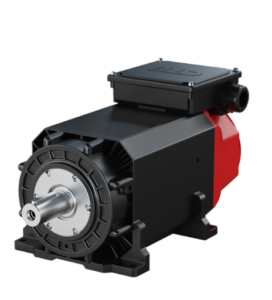
Industrial Automation Equipment
Servo motors are extensively used in industrial automation equipment. For example, in robotics, CNC machine tools, packaging machinery, printing machinery, textile machinery, and other fields, servo motors provide precise speed and position control to enable automated production and improve efficiency.
1.1 Robotics
In the field of robotics, servo motors are key components for joint movement. By precisely controlling the speed and position of servo motors, robots can perform complex motions and tasks. For instance, on industrial production lines, robots can automatically handle handling, assembly, welding, and other operations.
1.2 CNC Machine Tools
In CNC machine tools, servo motors drive each axis to achieve precise cutting and machining. They respond rapidly to commands from the CNC system, enabling high-speed, high-precision cutting, thus improving machining efficiency and product quality.
1.3 Packaging Machinery
In packaging machinery, servo motors control moving parts such as conveyors, sealers, and cutters. Precise speed and position control ensure high-speed, stable packaging processes, enhancing productivity and packaging quality.
1.4 Printing Machinery
In printing machinery, servo motors manage components like rollers, impression units, and paper feeders. Accurate control guarantees high-speed, stable printing, improving print quality and production efficiency.
1.5 Textile Machinery
In textile machinery, servo motors regulate yarn feeding, weaving machines, winding machines, and other parts. Precise control enables high-speed, stable textile processing, enhancing textile quality and efficiency.
Aerospace
Servo motors also play an important role in the aerospace industry. They are used in satellites, rockets, aircraft, and other equipment to control actuators such as steering gears, thrusters, and solar panels.
2.1 Satellites
In satellites, servo motors control the deployment and adjustment of solar panels to track the sun and collect energy. They also assist in satellite attitude control for Earth observation and communication.
2.2 Rockets
In rockets, servo motors manage steering gears and thrusters for navigation and control. Precise actuation ensures stable flight and accurate landing.
2.3 Aircraft
In aircraft, servo motors control control surfaces, flaps, elevators, and other actuators for flight control. High-precision operation ensures stable flight and precise navigation.
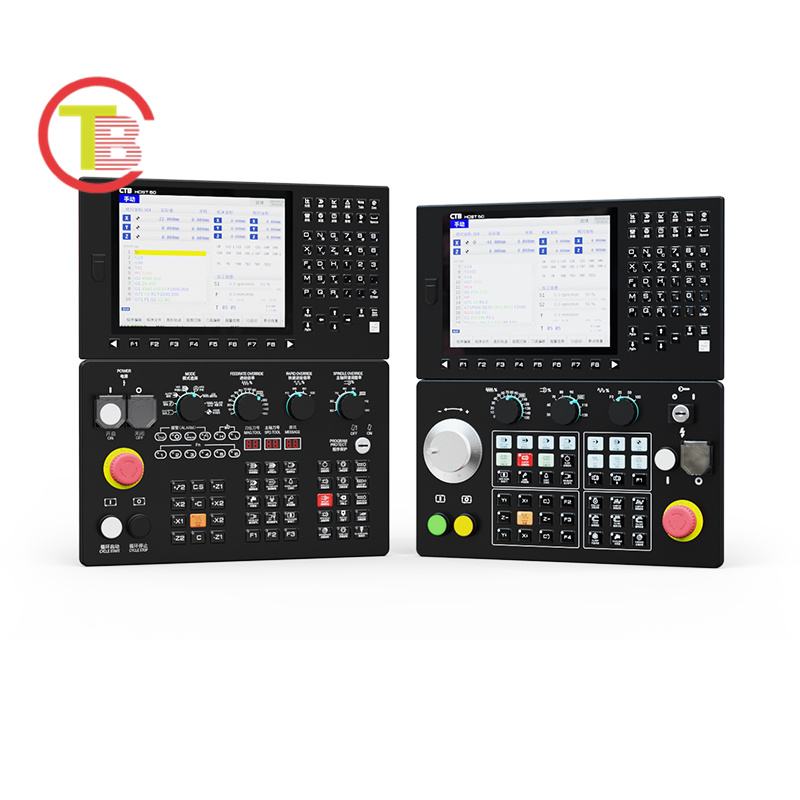
Medical Equipment
Servo motors are widely applied in medical devices, including surgical robots, CT scanners, and MRI machines, where they deliver precise speed and position control for high-accuracy diagnosis and treatment.
3.1 Surgical Robots
In surgical robots, servo motors control joints and tools to perform accurate surgical procedures, enabling minimally invasive and precise operations, improving safety and outcomes.
3.2 CT Scanners
In CT scanners, servo motors drive rotating gantries, patient beds, and other moving parts, enabling high-speed, stable scanning to enhance imaging quality and diagnostic efficiency.
3.3 MRI Machines
In MRI systems, servo motors control gradient coils, radiofrequency coils, and other components, ensuring high-speed, stable imaging and improving image quality and diagnostic efficiency.
Energy Sector
Servo motors are critical in the energy industry, including wind power, solar power, and hydropower systems, where they control pitch mechanisms, tracking systems, and regulation devices.
4.1 Wind Power
In wind turbines, servo motors control the pitch system to adjust blade angles according to wind conditions, ensuring efficient and stable power output.
4.2 Solar Power
In solar power systems, servo motors drive solar tracking systems to follow the sun and maximize energy collection, improving overall efficiency and stability.
4.3 Hydropower
In hydropower stations, servo motors regulate turbine control systems to adjust water flow and optimize power generation.